The Fitting Room Audit: Sixty Seconds of Scrutiny That Separate Real Craft From Crafty Marketing
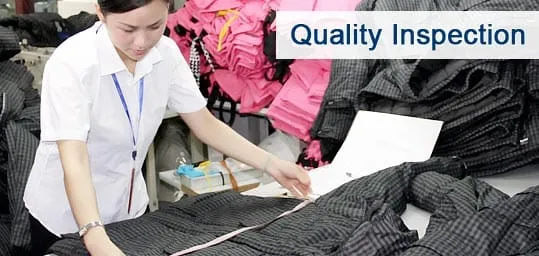
Photo: person examining clothing stitching quality in fitting room, via textilelearner.net
There's a moment in every fitting room when the sales pitch goes quiet and it's just you, the mirror, and the garment. That moment is your best defense against 'handmade-washing' — the practice of mass-produced brands borrowing artisan language to justify artisan prices.
The good news? You don't need a textile degree. You need about ten minutes and a willingness to get handsy with a hem. Here's the exact audit we run on every piece that lands at Falake Shop, and now you can run it too.
Start With the Reverse Side
Flip the garment inside out before you do anything else. Artisanal and high-quality construction reveal themselves on the back end: finished seams, clean serging or French seams, no loose threads snipped carelessly. If the inside looks like a war zone, the outside is a costume. Factories cutting corners on the interior are betting you'll never look. Look.
The Stitch Count Test
Run your fingers along a seam and count stitches over two inches. Anything below eight per inch on a woven garment is a red flag — high stitch density means the seam will hold through real wear, not just a photo shoot. On hand-finished pieces, stitches may be slightly irregular, and that's fine. Irregular is human. Loose is not.
Quick test: gently tug along a seam. Quality stitching won't gape or pucker. If the fabric pulls away from the thread, walk away.
Weight Is Truth
Fabric weight is where fast fashion cuts costs first. Hold the garment up. Does it drape or does it hang like paper? Heavier-weight cottons, dense wools, and tightly woven linens cost more to produce, which is exactly why they signal the real thing.
The squeeze test: crumple a section of fabric in your fist for ten seconds, then release. Quality natural fibers recover. Cheap synthetics hold the wrinkle like a grudge.
Pattern Matching: The Tell That Can't Be Faked
If a garment has stripes, checks, or a print, check the side seams and where sleeves meet the body. Matching patterns across seams takes more fabric and more skill — two things mass production refuses to spend. A plaid shirt where the pocket print swings wildly off-grid? That's a factory telling on itself.
Hand-blocked or hand-loomed prints may have slight drifts in alignment, and that's actually the point — those quirks are fingerprints. The distinction is drift versus disaster. One says 'made by a person.' The other says 'made by a machine that doesn't care.'
Buttons, Zippers, and the Finishing Frontier
Fastenings are where quality quietly lives. Check these three things:
- Buttons: Are they sewn with a shank (a little stem of thread underneath) or flat-tacked? Shank buttons last. Also look for spare thread or a spare button sewn inside — a small courtesy that signals a maker who expects the garment to live for years.
- Zippers: YKK or nothing, honestly. And check if the zipper is set evenly without waves in the tape.
- Buttonholes: Hand-finished buttonholes have dense, tight stitching around a clean cut. Machine-punched holes with fraying edges mean the garment was finished in a hurry.
Red Flags That Scream 'Mass Production in Disguise'
- A perfectly uniform 'hand-stitched' look — real handwork varies
- Chemical or plasticky odor (cheap dyes, rushed finishing)
- Tags claiming 'artisanal' with zero information about origin or maker
- Symmetrical, repeated embroidery that looks machine-digitized
- Prices that seem too good for the claimed process — handwork costs labor, period
Shopping Online? You Can Still Run the Audit
Zoom into product photos on the seams and fastenings. Read whether the brand names its makers or its workshops. Check if returns are easy — confident artisans stand behind their work. And read reviews for the phrase 'smaller than expected' or 'thinner than the photos,' both classic signs of corner-cutting.
The bottom line: real craftsmanship invites scrutiny. It survives the inside-out test, the squeeze test, the seam tug. If a garment can't handle ten minutes of your attention, it doesn't deserve a decade of your wear.