World in Your Wardrobe: How to Style Global Fashion Traditions the Right Way
Fashion has always traveled. Silk moved along ancient trade routes. Indigo dyeing techniques crossed oceans. Embroidery patterns migrated with communities across continents. The idea that clothing traditions belong in sealed cultural boxes, never to be touched by outsiders, doesn't hold up historically — and it doesn't serve anyone well today either.
What does matter is how you engage with those traditions. There's a real difference between borrowing with awareness and awareness-free appropriation. The former enriches your wardrobe and supports the communities whose craft you're celebrating. The latter flattens something meaningful into a costume.
At Falake Shop, we think about this constantly. Our whole identity is built around the intersection of culture and craftsmanship, and we believe that intersection can be a place of genuine exchange rather than extraction. With that in mind, here are five global fashion traditions worth knowing — and wearing — done thoughtfully.
1. West African Wax Print Fabrics: Bold, Joyful, and Endlessly Versatile
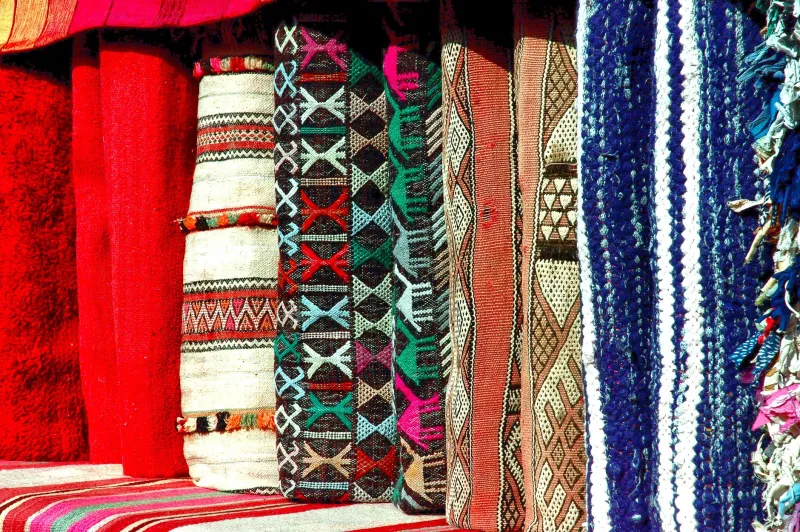
The tradition: Wax print fabrics — sometimes called Ankara — are among the most visually dynamic textiles in the world. Their vivid geometric and organic patterns are deeply embedded in West and Central African fashion culture, where specific prints can carry social meaning, mark celebrations, or signal community belonging.
What to know: The history of wax prints is actually more layered than many people realize. The technique was originally inspired by Javanese batik, industrialized by Dutch manufacturers, and then wholly embraced and transformed by African consumers who made it their own. Today, African designers and textile houses are leading the global conversation about these fabrics.
How to wear it: A structured Ankara blazer over a white tee and straight-leg jeans is a clean, modern way to let the fabric speak for itself. Ankara-print headwraps, tote bags, and mules are also easy entry points. Look for pieces made or designed by African brands or artisans — that's where your dollars make the most difference and your look carries the most integrity.
Appreciation vs. appropriation: Buying from African-owned designers and makers = appreciation. Wearing a mass-produced "tribal print" Halloween costume = appropriation. The difference is context, sourcing, and intention.
2. Japanese Shibori Dyeing: Wearable Art with Deep Roots
The tradition: Shibori is a Japanese resist-dyeing technique with roots going back over a thousand years. The process involves folding, twisting, or binding fabric before dyeing it, creating patterns that range from soft and cloud-like to sharply geometric. Each piece is genuinely one-of-a-kind.
What to know: Shibori is not tie-dye, though they're distant cousins. It's a highly refined practice with multiple distinct techniques — arashi, itajime, kumo — each producing a different result. Japanese artisans have been perfecting these methods for generations, and the craft is still very much alive today.
How to wear it: An indigo shibori scarf draped over a neutral outfit is effortlessly sophisticated. Shibori-dyed linen shirts or wide-leg trousers work beautifully for warm-weather dressing. The key is restraint — let one shibori piece anchor a look built around simple, complementary basics.
Appreciation vs. appropriation: Shibori techniques have been widely taught and shared by Japanese artisans themselves, and buying authentic pieces from Japanese makers or licensed artisan collaborations is a wonderful way to engage. Avoid mass-market knockoffs that use the aesthetic without the craft.
3. Mexican Embroidery: Color, Symbolism, and Centuries of Skill
The tradition: Mexico has one of the world's richest embroidery traditions, with distinct regional styles — Oaxacan Zapotec embroidery, Tenango embroidery from Hidalgo, the floral work of Chiapas — each with its own visual language and cultural significance. These techniques are often practiced by Indigenous women's cooperatives and represent both livelihood and cultural identity.
What to know: Mexican embroidery has been heavily appropriated by fast-fashion brands that reproduce the patterns without any connection to the communities that developed them. This is a case where sourcing really, really matters.
How to wear it: A hand-embroidered blouse tucked into high-waisted trousers is a classic combination that lets the embroidery take center stage. Embroidered accessories — coin purses, belts, or canvas bags — are also beautiful accent pieces. Keep the rest of your outfit simple so the craftsmanship gets the attention it deserves.
Appreciation vs. appropriation: Buy directly from Mexican artisan cooperatives or retailers who have verified, fair-trade relationships with them. Avoid mass-produced versions that profit from the aesthetic without compensating the communities behind it.
4. South Asian Block Printing: Ancient Technique, Modern Appeal
The tradition: Hand block printing has been practiced across South Asia — particularly in Rajasthan, Gujarat, and parts of Pakistan — for centuries. Artisans carve intricate designs into wooden blocks, dip them in natural dyes, and press them onto fabric by hand, building up complex, layered patterns one stamp at a time. The results are stunning and deeply human — you can often spot the slight variations that prove a human hand was involved.
What to know: Block printing is both an art form and a community practice. Many printing workshops in Rajasthan are family-run operations where knowledge passes from parent to child. Supporting those workshops directly is one of the most meaningful things a fashion-conscious consumer can do.
How to wear it: Block-printed cotton dresses are perfect for summer — breathable, beautiful, and interesting without being loud. A block-printed scarf layered over a denim jacket adds texture and warmth. Look for natural dye versions if you can find them; they tend to have a softer, more complex color palette than synthetic alternatives.
Appreciation vs. appropriation: This tradition has been shared openly with the world by South Asian artisans and designers, and many actively welcome international appreciation. Buying from artisan-sourced retailers like Falake Shop ensures that appreciation flows back to the makers.
5. Andean Textile Weaving: Geometry, Spirituality, and Extraordinary Skill
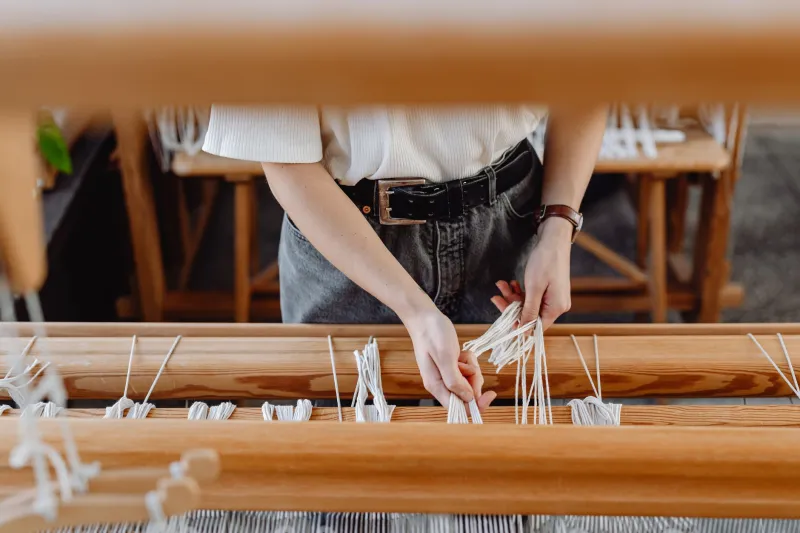
The tradition: The Indigenous communities of the Andes — in Peru, Bolivia, Ecuador, and beyond — have been producing some of the world's most technically sophisticated textiles for thousands of years. Andean weavings often encode cosmological and spiritual meaning in their geometric patterns, and the backstrap loom techniques used to create them require years of practice to master.
What to know: Authentic Andean textiles are labor-intensive in the most profound sense — a single piece can take weeks or months to complete. Mass-produced imitations sold as "Peruvian style" at tourist shops or fast-fashion outlets are a far cry from the real thing and do nothing to support the weavers whose tradition they mimic.
How to wear it: An authentic Andean-woven bag or clutch is a statement accessory that works with almost anything. Woven belts, wraps, and ponchos can be layered into contemporary looks with real elegance. When in doubt, let the piece be the focal point.
Appreciation vs. appropriation: Seek out fair-trade certified Andean cooperatives or curated retailers who can trace their pieces back to specific weaving communities. The story behind the textile is part of what makes it worth wearing.
The Bigger Picture
Engaging with global fashion traditions thoughtfully isn't complicated — it mostly just requires slowing down and asking a few questions before you buy. Where did this come from? Who made it? Does my purchase support or sidestep the community behind it?
When those answers are good ones, dressing with a global perspective becomes one of the most joyful and meaningful things you can do with your wardrobe. At Falake Shop, that's the experience we're here to offer — fashion that connects you to the world's most extraordinary craft traditions, with full transparency about how it got to you.