After the Click: Following Your Artisan Order Through the Supply Chain Nobody Shows You

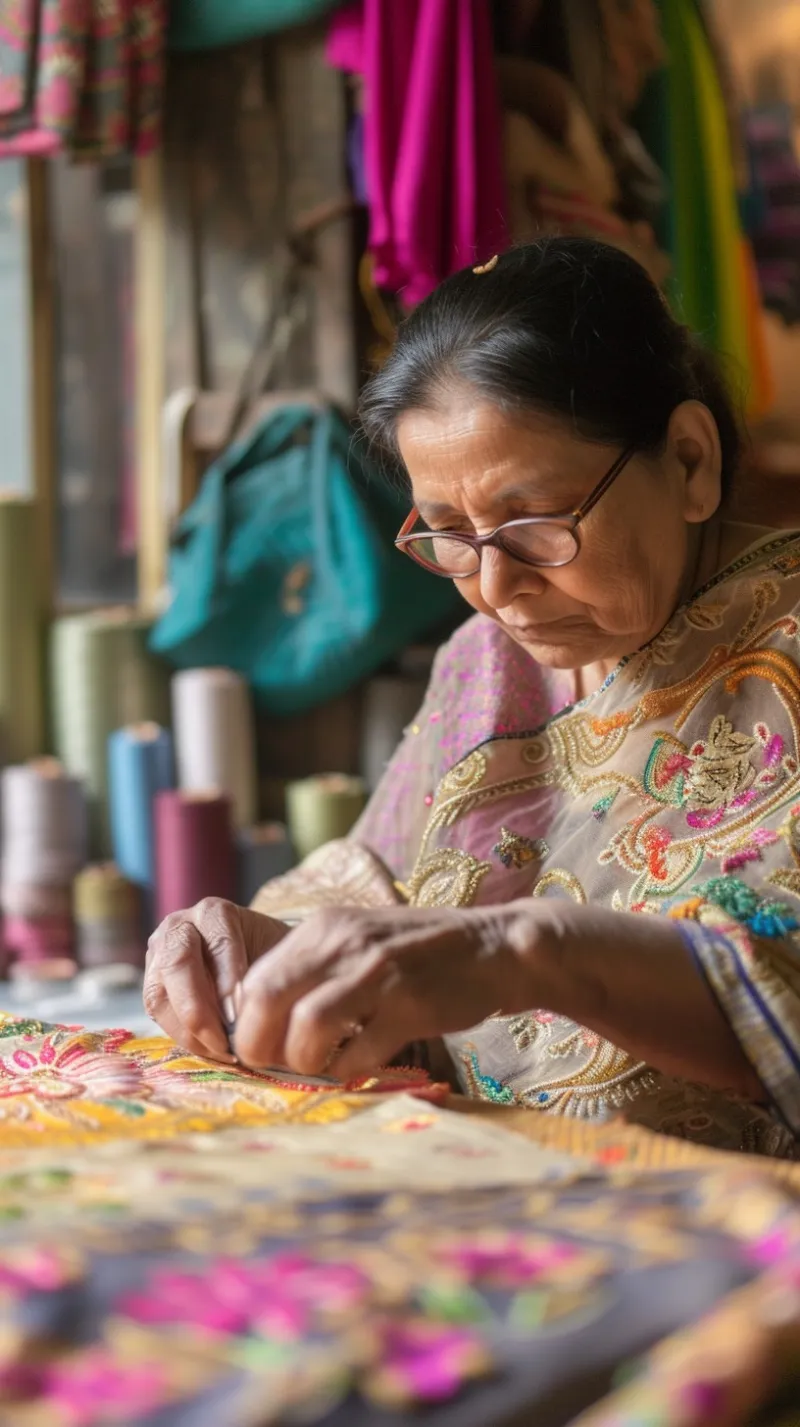
Photo: JoachimKohler-HB, CC BY-SA 4.0, via Wikimedia Commons
Somewhere in a warehouse right now, a package labeled 'handmade' is being shipped in three layers of plastic. Somewhere else, an order marked 'artisan-made' was never touched by an artisan at all — it was pulled from a shelf of imported stock bought at bulk rates. And somewhere else, a small brand is genuinely paying a weaver a living wage, which is why your order will arrive in twelve days instead of two.
The gap between those three scenarios is the least-discussed problem in conscious shopping. Let's open it up.
The Word 'Artisan' Has No Legal Meaning
Start with the uncomfortable fact: in the US, 'artisanal,' 'handmade,' and 'ethically sourced' are marketing terms, not regulated claims. A brand can use them while running a dropshipping operation that has never met a maker. There's no inspector showing up to verify the 'slow fashion' label any more than there's one checking 'natural' on a cereal box.
So the first question after you click buy isn't 'where is my package?' It's 'who touched this before the box?'
The Three Supply Chains Hiding Behind One Label
Chain one: the genuine article. A maker or cooperative produces the goods, the brand buys at fair terms, items ship from a small studio. Timelines are longer because someone is literally making your scarf after you ordered it. Prices are higher because labor is priced honestly.
Chain two: the bulk importer. The brand buys finished goods in bulk — often overseas at prices that make fair pay impossible — then markets them with craft language. Shipping is fast because the goods already exist, warehoused stateside. The 'artisan' is a photo on an About page.
Chain three: the middleman model. The brand owns nothing, makes nothing, and forwards your order to a third-party factory. This is dropshipping, and it explains a lot of suspiciously cheap 'hand-embroidered' listings.
None of this is illegal. All of it is invisible — unless you know what to look for.
Reading the Logistics Like a Detective
A few tells, straight from the fulfillment world:
- Shipping origin: If a 'small artisan brand' ships from a major commercial fulfillment hub with a 48-hour dispatch promise, someone is holding bulk inventory. That's not automatically bad, but it changes what 'small batch' means.
- Packaging waste: Brands claiming sustainability while shipping a cotton top in a poly mailer, inside a bubble wrap sleeve, inside a box have a packaging problem their marketing won't mention. Genuine small studios tend toward recycled mailers, paper tape, and — honestly — reused boxes.
- The delay email: If your order is delayed because it's being made, that's usually a good sign. Made-to-order is the artisan model. Instant stock is the retail model.
- Price math: A hand-embroidered jacket requiring forty hours of labor cannot honestly retail for $60. When the price defies the labor, the labor is being subsidized by someone you can't see.
Why Slow Shipping Is a Feature, Not a Bug
We've been trained by two-day delivery to equate speed with service. But in craft supply chains, speed is a cost that gets paid somewhere — usually by the person at the bottom. Made-to-order production means zero deadstock, less overproduction, and payment terms that let makers work without fronting their own costs.
When an indie label tells you your order ships in three weeks, they're often telling you something else too: nobody's rushing a weaver.
Transparency Is the Next Frontier
The fair-trade movement did this for coffee. Certification changed what shoppers expected from their morning cup, and opaque supply chains became a liability. Fashion is arriving at the same moment. The brands that will win the next decade of conscious shoppers aren't the ones with the prettiest 'sustainability' page — they're the ones who'll show you the invoice, name the workshop, publish the wage floor, and admit their packaging isn't perfect yet.
Until then, your best tools are questions. Email and ask who made your piece and where it ships from. The honest brands answer with specifics. The others answer with adjectives.
At Falake Shop, we think you deserve to know which supply chain your money is walking through. Slow, transparent, and occasionally delayed beats fast, vague, and fictional — every single time.