That Jacket Just Started a Whole Conversation: How Fashion Became the New Icebreaker

It Used to Be a Compliment. Now It's a Whole Thing.
You walk into a get-together wearing that hand-block-printed jacket you found through a small independent maker. Someone across the room catches it immediately. But instead of the usual "oh cute, where's that from?" followed by a quick brand drop and subject change, they actually want to know. Like, really want to know.
Where was it made? Who made it? Is the dye natural? Did you know the artisan's name?
If this sounds familiar, you're not imagining a shift. You're living inside one.
The casual wardrobe compliment has quietly evolved into something with a lot more weight behind it — a genuine probe into values, intention, and the kind of consumer you choose to be. And for a lot of people, especially younger shoppers, the answer you give says more about you than your entire Instagram grid ever could.
Why the Story Behind the Stitch Actually Matters Now
There's a reason this shift is happening, and it goes deeper than trend cycles or aesthetic moods. An entire generation came of age watching fast fashion documentaries, reading about garment worker conditions in Bangladesh and Cambodia, and doom-scrolling through the environmental cost of throwaway culture. They didn't just observe that information — they internalized it.
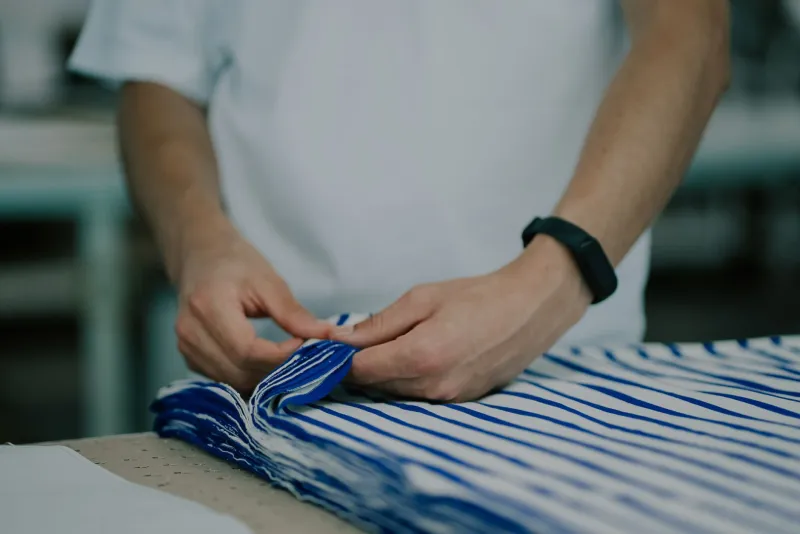
So when they see something that looks different, something that carries a little visible texture or irregularity that signals a human made this, their first instinct isn't envy. It's curiosity.
Who made it? Under what conditions? Does the brand know the maker's name? These aren't hostile interrogations — they're genuine attempts to understand whether the thing you're wearing aligns with the values you claim to hold. It's connection-seeking, dressed up in fashion language.
And honestly? That's a pretty beautiful thing.
Artisanal Pieces Give You Something to Actually Say
Here's something the fast fashion model never really accounted for: people like having something to talk about. When your outfit comes from a massive retailer with a 47-second checkout and free two-day shipping, the conversation has a ceiling. "It's from [insert chain store]." Full stop. There's nowhere else to go.
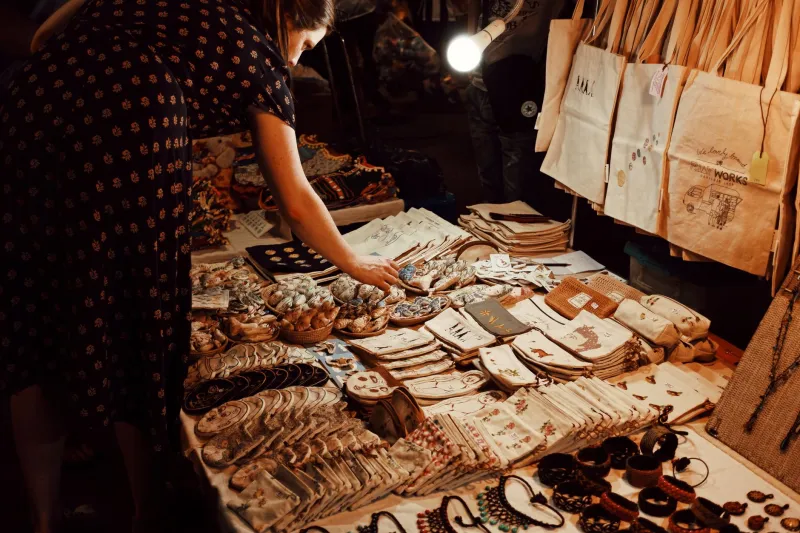
But when your earrings were hand-formed by a silversmith in New Mexico who learned the technique from her grandmother? When your bag was woven using a pattern that's been passed down through a specific community in West Africa for generations? When your indigo-dyed linen shirt came from a small-batch studio in Portland run by a husband-and-wife team who forage their own dye plants?
Now you've got a story. And stories, it turns out, are the actual social currency people are trading in right now.
This is what makes artisanal and culturally-rooted fashion so different from just buying something expensive or trendy. The value isn't only in the object — it's in the narrative the object carries, and in your ability to pass that narrative along. When your friend asks where you got that piece and you tell them something real and interesting, you're not just sharing shopping intel. You're inviting them into a whole perspective on how fashion can work.
The Peer Dynamic Has Quietly Shifted
There's a social dynamic at play here that's worth naming directly. For a long time, fashion conversations among peers were mostly aspirational and comparative. Who had the newest drop? Who copped the limited-edition collab? The hierarchy was built on access and speed.
That hierarchy hasn't disappeared entirely — let's be honest — but it's got serious competition now from a different kind of status: the status of knowing. Knowing where something came from. Knowing who made it. Knowing the cultural context it lives inside. Being the person in the room who can explain what ikat weaving actually is, or why a particular textile pattern belongs to a specific community, or what fair trade certification actually means in practice versus in marketing copy.
Knowledge and intentionality have become their own form of cool. And artisanal, culturally-inspired fashion is one of the most natural vehicles for that.
When you buy from makers whose work is rooted in genuine craft traditions — whether that's Andean weaving, Japanese shibori dyeing, West African kente, or Indigenous beadwork from the American Southwest — you're not just acquiring a product. You're acquiring context. And that context, when you wear it and share it thoughtfully, becomes part of how you show up in the world.
How to Be Ready for the Question
Here's the thing, though: if you're going to wear pieces with real stories behind them, it helps to actually know those stories. Not so you can perform knowledge at parties, but because it deepens your own relationship with what you own.
Before you buy from any maker or brand, dig a little. Read the brand's about page like you mean it. Look up the textile tradition they're drawing from. Find out whether the artisans involved are being credited and compensated fairly. Ask yourself whether the cultural elements in the piece are being shared with permission and respect, or just aesthetically borrowed without acknowledgment.
When you can answer those questions for yourself, answering them for a curious friend at a dinner party becomes effortless. And more importantly, you're wearing something you actually understand — which changes the way you carry it entirely.
The Compliment That Opens a Door
There's something kind of radical about a world where asking "where did you get that?" becomes a doorway into a real conversation about craft, culture, ethics, and human connection. It sounds small, but it's not.
Fashion has always been a language. What's changing is the vocabulary. The words being added aren't just brand names and price points — they're maker names, regional traditions, material origins, and the philosophies of the people who put their hands into the work.
At Falake Shop, that's exactly the kind of fashion we're drawn to: pieces that carry a story worth telling, from makers whose craft is worth knowing. Because the best thing a jacket can do — besides look great — is give you something real to say when someone stops you and asks.
And they will ask. Increasingly, they always do.