Before the Mirror, There's a Question: How Gen Z Turned 'Who Made This?' Into a Non-Negotiable
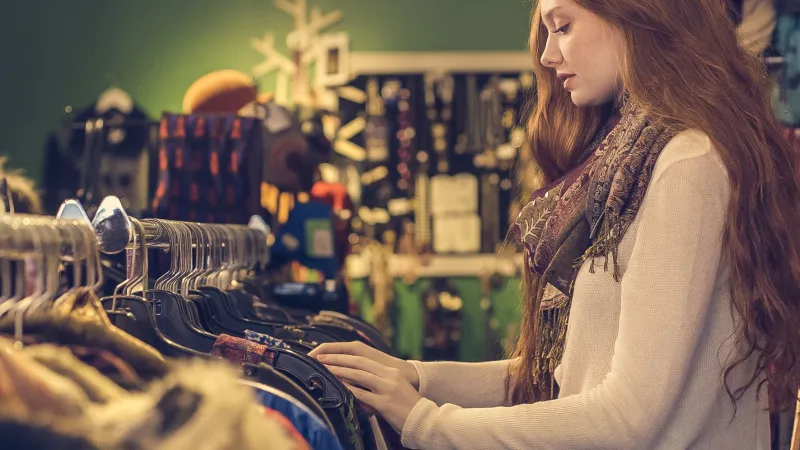
There's a moment that Destiny, a 22-year-old from Atlanta, describes as her fashion awakening. She was scrolling through a brand's Instagram, hovering over a beautifully shot linen dress, finger practically twitching toward the 'Add to Cart' button — and then she stopped herself. Not because of the price. Not because she wasn't sure about the color. She stopped because she realized she had absolutely no idea who made it, where it came from, or whether the person behind it was paid fairly.
She put her phone down and went looking for answers instead.
"I used to shop with my eyes," she says. "Now I shop with questions."
Destiny isn't an outlier. She's part of a growing wave of Gen Z consumers who have fundamentally reordered their fashion priorities — and the industry, whether it wants to or not, is being forced to keep up.
The Old Script Is Out
For decades, fashion operated on a pretty simple psychological loop: you see it, you want it, you buy it. Desirability was almost entirely aesthetic. Does it look good? Does it fit the vibe? Is it on trend? Those were the questions that drove purchases.
Gen Z has added a new question to the front of that list — and it's a harder one to answer.
Who made this?
It sounds simple, but unpacking it reveals an entire value system. Who made it encompasses: what country it was produced in, under what labor conditions, by what kind of operation (factory floor or independent artisan), and whether the brand is willing to be transparent about all of the above. For a generation that grew up watching the aftermath of Rana Plaza, scrolling through fast fashion exposés on TikTok, and absorbing climate anxiety in real time, the question isn't academic. It feels urgent.
Jordan, 24, based in Portland, puts it plainly: "I don't want to look cute at the expense of someone else's suffering. That's not a flex to me anymore."
Transparency as a Baseline, Not a Bonus
What's striking about this generational shift isn't just that young shoppers care about ethics — it's that they've moved transparency from a nice-to-have into a baseline expectation. Brands that used to earn goodwill by simply mentioning their supply chain now face scrutiny for not going deeper.
Vague language like "ethically sourced" or "sustainably made" used to carry weight. Not anymore. Gen Z has developed a finely tuned radar for what the industry calls "greenwashing" — the practice of using feel-good language without the receipts to back it up. If a brand can't tell you the name of the workshop, the region where the fabric was woven, or the wage structure of the people who sewed the seams, younger consumers are increasingly likely to scroll past.
This is actually great news for independent makers and artisanal brands — the kind of businesses that have always operated with radical transparency simply because their story is their product.
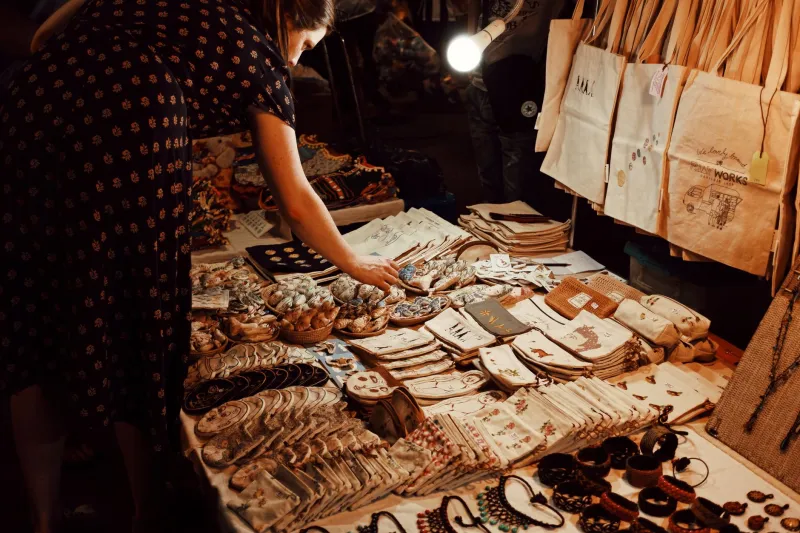
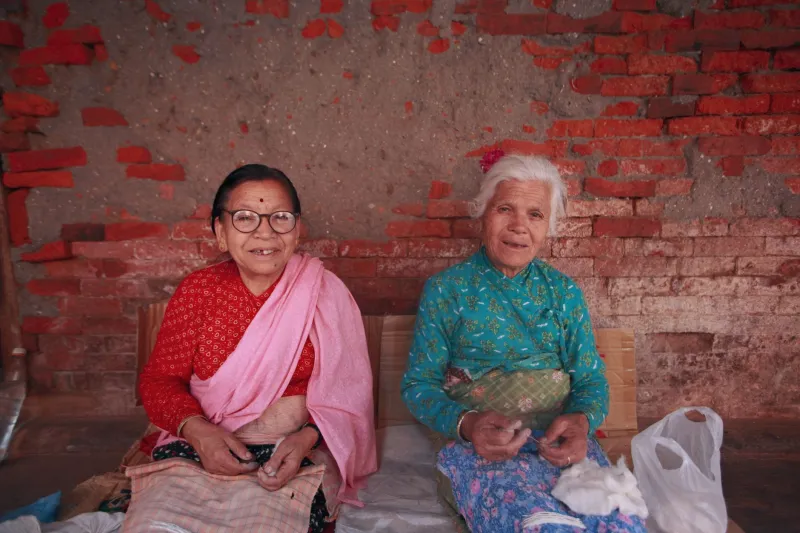
Take small-batch textile artists, traditional weavers selling through curated boutiques, or craft collectives bringing regional techniques to a global audience. These makers have never hidden behind corporate opacity. The origin story, the hands involved, the cultural context — it's all part of what they're offering. And suddenly, that's exactly what the market is hungry for.
The TikTok Effect (and Why It Goes Deeper Than Virality)
Social media gets a lot of credit — and blame — for shaping Gen Z's consumer habits. And yes, viral exposés have played a role in raising awareness about labor exploitation in the fashion industry. A single video breaking down a $6 dress's true cost can rack up millions of views and genuinely shift purchasing behavior.
But it's reductive to say this is just a TikTok trend. The transparency expectation runs deeper than what goes viral. It's connected to a broader generational worldview that values authenticity, dislikes institutional opacity, and sees consumption as a form of self-expression that extends beyond aesthetics into ethics.
Marcellus, a 26-year-old designer and vintage reseller in Chicago, describes it this way: "We grew up being marketed to constantly. We learned to see through it. When a brand is genuinely transparent, it actually stands out — because it feels real."
That hunger for realness is something artisanal and culturally-rooted fashion brands are uniquely positioned to satisfy. When a maker can tell you that the indigo dye on your jacket comes from a family farm in West Africa, or that the embroidery on your bag was done by a women's cooperative in Oaxaca, that's not just a supply chain detail. It's a story. And Gen Z responds to stories.
How Established Brands Are Scrambling to Catch Up
The shift hasn't gone unnoticed at the corporate level. Major retailers and heritage fashion houses are investing heavily in what they're calling "traceability" — the ability to map and communicate a garment's journey from raw material to finished product. Some are using blockchain technology. Others are launching dedicated transparency portals on their websites.
The cynical read is that this is just marketing evolution — brands giving consumers what they want to hear without fundamentally changing how they operate. And that cynicism isn't entirely misplaced. Plenty of "transparency initiatives" amount to little more than polished storytelling that obscures as much as it reveals.
But here's the thing: even performative transparency creates accountability. When a brand publicly commits to disclosing its supply chain, it becomes harder to walk that back. The standard, once raised, tends to stick.
And in the meantime, the brands that have always been transparent — because they were built on craft, culture, and direct relationships with makers — don't have to scramble. They were already there.
What This Means for How We Shop
If you're someone who's been drawn to artisanal fashion for its beauty and cultural richness, this moment is worth paying attention to. The values that have always made handcrafted, culturally-inspired fashion meaningful are now the values a whole generation is actively seeking out.
Shopping with intention — asking who made something, understanding the tradition behind it, choosing pieces that carry a story worth telling — isn't a niche pursuit anymore. It's becoming the default for a significant and growing segment of American consumers.
Destiny, the Atlanta shopper who stopped mid-scroll, ended up buying a hand-dyed wrap from an independent maker she found through a curated boutique. She paid more than she would have for the algorithmic dress. She's worn it a dozen times and has told the story behind it to anyone who asked.
"It's the best thing in my closet," she says. "And I know exactly who made it."
That's the new fashion flex. And honestly? It looks good on everyone.