One Intentional Purchase Changes Everything: The Surprising Way Artisanal Fashion Rewires Your Decision-Making
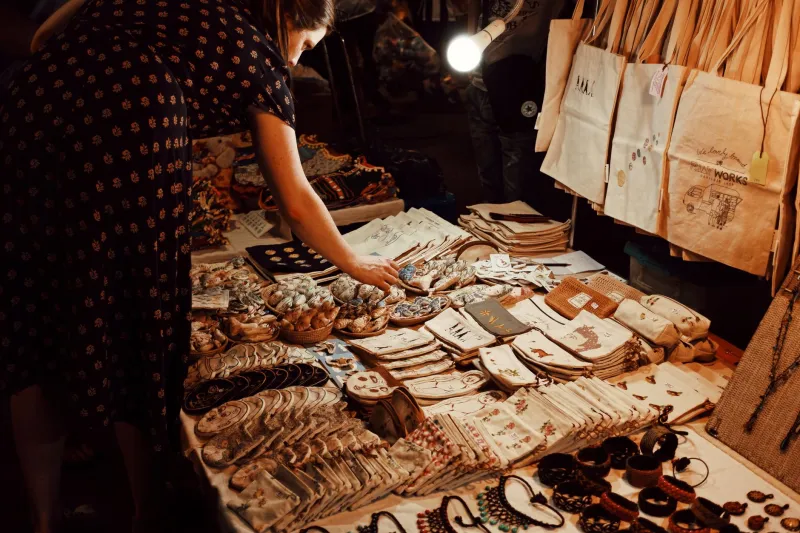
Here's something nobody really talks about at the checkout screen: the moment you decide to buy a hand-block-printed shirt from a small studio in New Mexico instead of grabbing whatever's on a fast-fashion rack, something shifts. Not just in your closet. In your head.
It sounds a little dramatic, maybe. But stay with it — because the psychology here is genuinely fascinating, and it explains a lot about why people who start buying artisanal pieces tend to keep going, and why that habit bleeds into almost every other corner of their lives.
The Closet as a Training Ground
When you buy something thoughtfully made — something with a story, a craft tradition, a human being behind it — you're forced to slow down in ways that mass-market shopping doesn't require. You're asking different questions. Who made this? Where does the material come from? Is this something I'll actually wear in five years, or am I just excited about it right now?
That kind of interrogation isn't just good for your wardrobe. It's a mental muscle. And like any muscle, the more you use it, the stronger it gets.
Behavioral researchers have a term for this: decision fatigue in reverse. Most of us are so overloaded with choices — streaming services, groceries, news feeds — that we go on autopilot for the low-stakes stuff and burn out before we hit the decisions that actually matter. But intentional shoppers flip that. They practice deliberate thinking on something as tangible and low-risk as a jacket, and they carry that clarity into bigger arenas.
Why Artisanal Pieces Specifically?
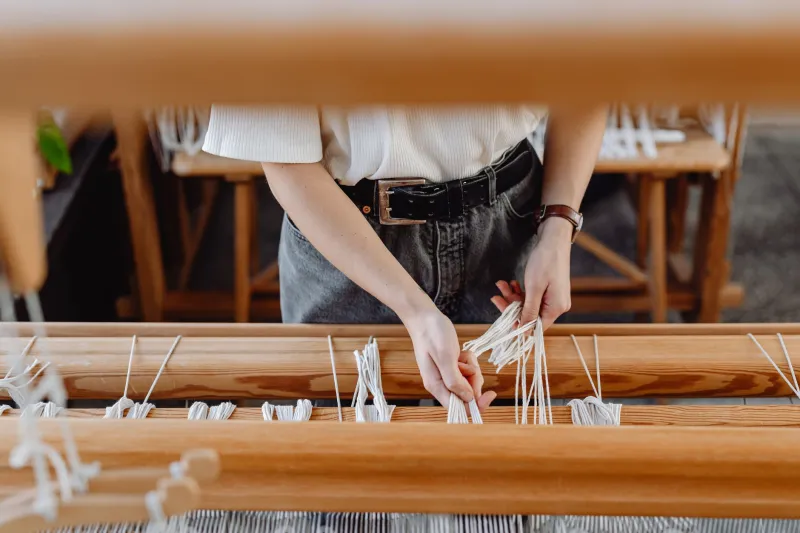
Not all slow shopping is created equal. There's a difference between spending three hours comparison-shopping for the cheapest version of a mass-produced item and genuinely evaluating a piece that was woven on a backstrap loom by someone whose family has been doing it for generations.
Culturally-rooted, artisanal fashion asks you to hold complexity. You're not just thinking about price-per-wear (though that's part of it). You're thinking about craft lineage, about what it means to support an independent maker, about whether this piece fits who you are versus who you're trying to look like on any given Tuesday. That's nuanced reasoning. And nuanced reasoning — practiced regularly — genuinely changes how people approach problems outside the dressing room.
Consumers who invest in artisanal goods consistently report feeling more aligned with their purchases over time. Less buyer's remorse. More satisfaction. And crucially, more confidence in the choices they make next.
The Ripple Effect Is Real
Talk to people who've made the shift toward intentional, craft-forward buying, and a pattern emerges fast. It starts with one piece — maybe a hand-embroidered bag, or a naturally-dyed linen jacket — and within a year, they're talking about renegotiating their lease, switching careers, or finally committing to a home renovation they'd been putting off for a decade.
That's not a coincidence. When you start asking is this worth it about a $180 hand-thrown ceramic mug, you're building the framework to ask the same question about a $180,000 career path. The scale changes; the cognitive habit doesn't.
There's also something about ownership itself. Artisanal pieces tend to be more distinctive, more personal, and more durable than their mass-market counterparts. When you wear something that genuinely reflects your values and your aesthetic, you move differently. You make eye contact differently. That confidence isn't about status — it's about coherence. You chose this thing deliberately, and it shows.
The Comparison Trap Loses Its Grip
One of the quieter gifts of artisanal fashion is that it sidesteps the comparison economy almost entirely. You can't really compare a one-of-a-kind, hand-painted kimono jacket from a Brooklyn-based designer to something you'd find at a mall kiosk. They're not competing. They're not even in the same conversation.
And once you stop comparing in your closet, you start to notice how much energy you were spending comparing in other areas of your life — your apartment to your friend's apartment, your salary to your college roommate's LinkedIn headline, your body to whoever's currently trending. Artisanal consumption, at its best, is a quiet rejection of that entire framework. You're not buying the most popular thing. You're buying your thing. That distinction matters more than it might seem.
Practical Intentionality: What This Actually Looks Like
So how do you build this muscle without overhauling your entire wardrobe overnight? A few honest suggestions:
Start with one category. Pick a single type of item — bags, outerwear, jewelry — and commit to only buying artisanal or independently made versions of it going forward. You don't have to transform everything at once. One category is enough to start rewiring the habit.
Ask the maker question. Before any purchase, ask yourself: do I know anything about who made this or how? If the answer is no and you can't find out, that's useful information. Not necessarily a dealbreaker, but data worth having.
Give yourself a waiting period. Artisanal pieces are rarely flash-sale items, which is actually a feature. Let something sit in your browser cart for 48 hours. If you still want it after two days of thinking about it, that's a much stronger signal than an impulse click.
Notice how you feel afterward. Seriously — track it. Not in a formal way, but just pay attention. Do you feel excited to wear it, or do you already feel that low-grade dread of another thing that doesn't quite fit your life? Over time, your own patterns will tell you exactly what kind of decision-maker you're becoming.
Confidence Isn't Just About the Clothes
At Falake Shop, we think about this a lot — the idea that what you wear is never really just about what you wear. A piece made with craft and cultural intention carries meaning that a throwaway trend simply can't. And when you surround yourself with meaning, you start to expect it. You start to demand it. From your stuff, yes — but also from your relationships, your work, your choices.
That's not a small thing. That's actually a pretty radical shift in how you move through the world.
The closet confidence gap is real. But it's not about having the right clothes. It's about having made the right choices — and knowing, when you open that door in the morning, that everything hanging there is there on purpose.
That feeling? It follows you out the door.