Wear It, Then Explain It: How Talking About Your Clothes Became the New Cultural Currency
Not that long ago, asking someone where they bought their outfit was a pretty surface-level question. You'd get a brand name, maybe a store, and move on. But somewhere between the rise of ethical fashion discourse and a collective reckoning with fast fashion's real costs, something changed. Now when someone asks about that hand-dyed linen blouse or the woven tote with the unusual pattern, the answer is a story — and people genuinely want to hear it.
We're living through a quiet but unmistakable shift: knowing where your clothes come from has become a kind of social currency. Not in a braggy, look-at-me way, but in a deeper, more intentional sense. The origin story of a garment is starting to matter as much as the garment itself.
From Label-Checking to Story-Sharing
For a long time, the most a curious shopper would do was flip a tag and check the country of manufacture. That was about the extent of it. Today, a growing segment of American consumers — particularly millennials and Gen Z shoppers — are going several layers deeper. They want to know the name of the cooperative that made the fabric. They want to see the hands that did the embroidery. They want to understand the cultural tradition behind the pattern on their scarf.
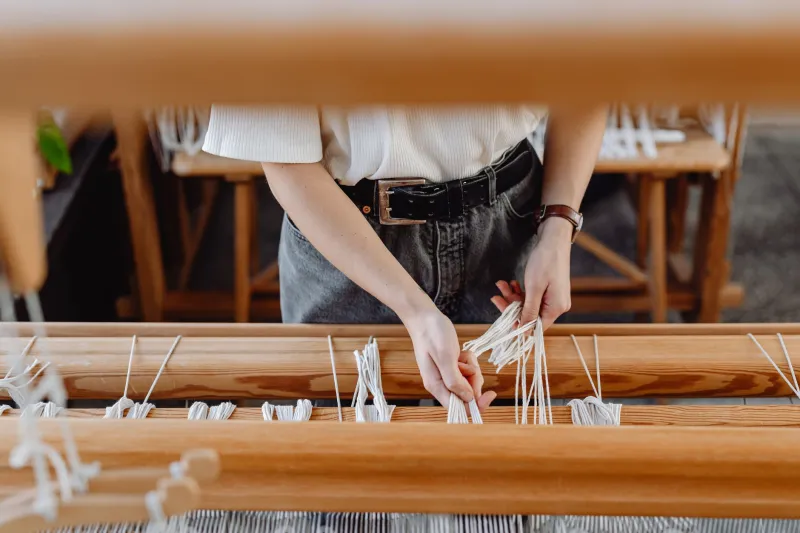
Social media has been a massive accelerant here. Platforms like Instagram and TikTok have given small artisanal brands a direct line to consumers, and those brands have been smart about using it. Behind-the-scenes videos of weavers at their looms, short documentaries about dyeing processes, candid interviews with makers — this content doesn't just perform well, it builds loyalty. People feel personally connected to the person who made their piece, and that connection is something no algorithm can fake.
When you can watch a craftsperson in Oaxaca hand-block a textile and then receive that same textile in your mailbox two weeks later, the experience of owning it changes entirely. You're not just wearing a shirt. You're wearing a relationship.
Why Transparency Became a Status Symbol
Here's the psychological piece that's worth unpacking: for a certain type of shopper, being able to articulate the origins of what they own has become a form of identity signaling. It says, I paid attention. I made a considered choice. I didn't just grab whatever was on the rack.
This is meaningfully different from the kind of logo-flashing status dressing that dominated earlier decades. Wearing a recognizable luxury brand still carries social weight, obviously — but it's a different kind of weight than being able to say, "This bag was made by a women's collective in Guatemala, and the pattern is based on a pre-Columbian weaving tradition that's been passed down for generations." One signals wealth. The other signals values.
And in a cultural moment where values-based consumption is increasingly mainstream, that second kind of signal is landing differently than it used to. It's not niche anymore. It's showing up at dinner parties, in office conversations, in the comments sections of fashion posts. People are proud of knowing the story — and proud of buying in a way that makes a story worth telling.
The Brands That Got This Right Early
Artisanal and culturally-rooted fashion brands have been sitting on this opportunity for years, but the ones who've truly capitalized on it understood something important: the product and the narrative have to be inseparable.
It's not enough to slap a "handmade" label on something and call it authentic. Consumers are getting more sophisticated, and they can smell a thin origin story from a mile away. The brands earning genuine trust are the ones who introduce you to the maker, explain the craft technique with real specificity, and are honest about the supply chain — including its imperfections.
This kind of radical transparency isn't just good ethics. It's good business. When a customer can speak fluently about what they bought and why, they become a walking ambassador for the brand. They're not just repeat buyers — they're evangelists who bring their whole social network along with them.
The Dinner Table Effect
There's something worth noting about where these conversations are happening. Yes, social media is a big part of it, but some of the most powerful word-of-mouth for artisanal fashion is happening in deeply analog settings — at family gatherings, on road trips, over coffee with a friend who notices your earrings.
These in-person exchanges carry a different kind of weight. When you tell your mom the story behind the hand-stamped leather bracelet you're wearing, and she gets genuinely curious and asks where you found it — that's a conversion that no targeted ad could replicate. The intimacy of that conversation, the fact that it came from someone she trusts, makes it infinitely more persuasive than anything a brand could engineer.
This is the closet confession in action. It's not performative. It's just people sharing something that genuinely matters to them, in the same way they'd share a great restaurant recommendation or a book that changed how they think.
What This Means for How We Shop
If you're someone who's starting to feel the pull of this kind of intentional consumption — if you're getting tired of buying things you can't say anything interesting about — the good news is that the infrastructure for shopping differently has never been better.
Artisanal brands and culturally-rooted designers are more accessible than ever, particularly online. You don't have to travel to a craft fair or know someone in the industry. You just have to be willing to look a little harder than the first page of search results and ask a few more questions before you check out.
And when you do find something worth buying — something with a real maker behind it, a real tradition informing it, a real story attached to it — you'll notice that the experience of wearing it is different. You'll reach for it more. You'll take better care of it. And when someone asks about it, you'll actually have something to say.
That's the thing about clothes with origin stories. They don't just cover you. They start conversations.
At Falake Shop, we believe every piece should come with a story worth telling. Browse our curated collection of artisanal and culturally-inspired fashion at falakeshop.com.