When the Wrapping Comes Off: Why Handcrafted Gifts Are the New Love Language
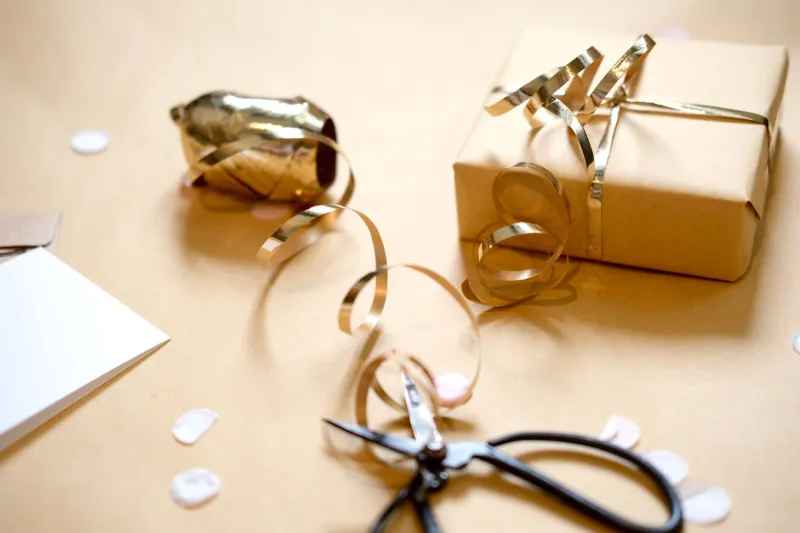
There's a moment that happens with certain gifts. The tissue paper falls away, and the person receiving it goes quiet — not because they're politely pretending to like it, but because they're actually moved. They turn it over in their hands. They ask where it came from. That pause? That's the difference between a purchase and a present.
More Americans are chasing that moment, and they're finding it in artisanal fashion. Handwoven scarves, hand-stamped leather wallets, block-printed tote bags made by a cooperative of women in Rajasthan — these aren't just objects. They carry weight. And in a gift-giving culture that's been dominated by Amazon wishlists and department store registries for decades, that weight is starting to matter enormously.
The Psychology of Giving Something Real
Gift-giving researchers have long noted a gap between what givers think recipients want and what actually resonates. We tend to default to practicality or price tags, assuming those signal effort. But studies consistently show that perceived thoughtfulness — the sense that someone saw you and chose accordingly — lands harder than anything else.
Handcrafted pieces are almost inherently thoughtful. They require the giver to slow down, learn something about the maker, and make a considered choice. That process shows. When you hand someone a hand-embroidered clutch from a Guatemalan artisan collective, you're not just giving them a bag — you're giving them evidence that you thought about them specifically.
"I used to spend so much money on gifts that just... disappeared," says Marisol, a marketing director in Austin who started shopping small about three years ago. "Now I spend the same amount, sometimes less, and people actually remember what I gave them. My sister still talks about the indigo-dyed wrap I found for her birthday two years ago."
That stickiness is real. Artisanal gifts tend to become stories people tell. They get displayed, worn repeatedly, and explained to strangers at parties. A mass-produced candle doesn't do that.
Occasions That Call for Something Handmade
Not every gift moment is the same, and part of giving well is reading the room. Here's how to think about matching artisanal fashion to the occasion:
Milestone Birthdays and Anniversaries These are the moments that deserve the most intentional gifts. A hand-loomed textile, a piece of jewelry made using traditional metalworking techniques, or a custom embroidered piece tied to someone's heritage can mark a milestone in a way a gift card simply cannot. Think about what the person values, where their roots are, or what culture they've always been drawn to.
Weddings and Showers The registry exists for a reason, but off-registry gifts that show genuine creativity are often the ones couples remember longest. A handwoven table runner, a set of hand-dyed napkins, or a culturally-inspired keepsake piece can stand apart from the blender parade without feeling random.
The Holidays This is where artisanal gifting has really taken hold. Holiday shopping has become so automated — the same trending items cycling through everyone's feeds — that giving something handmade feels almost radical. It signals that you opted out of the algorithm and made a real choice. For the person on your list who seems to have everything, this is often the only move that actually surprises them.
Just Because Some of the best gifts aren't tied to any occasion at all. A small handcrafted piece — a hand-stamped bookmark, a tiny woven coin purse — sent with a note that says "saw this and thought of you" can land with more warmth than anything given at a designated gift-giving moment.
How to Choose Without Overthinking It
One reason people stick to generic gifts is decision paralysis. The artisanal market is vast and, if you're not careful, can feel overwhelming. A few principles help:
Start with the person, not the product. What are they drawn to? Do they have a connection to a particular culture or region? Do they care about sustainability? Are they a maximalist or a minimalist? Let those answers narrow your search before you start browsing.
Read the maker's story. Reputable artisanal retailers — and this is something Falake Shop takes seriously — give you real information about who made the piece, where, and how. That story is part of the gift. If you can't find that information, keep looking.
Consider wearability over novelty. The most successful artisanal gifts are ones that fit naturally into the recipient's life. A beautifully hand-blocked scarf in colors someone actually wears will outlast a more elaborate piece they feel obligated to display but never use.
Don't be afraid of something consumable. Artisanal doesn't always mean permanent. A small-batch, naturally-dyed textile care kit, or a handmade accessories set designed to be used up and enjoyed, can be just as meaningful as something meant to last forever.
The Giver's Experience Matters Too
Here's something that doesn't get talked about enough: giving an artisanal gift feels different than clicking "add to cart" on a bestseller list. There's a satisfaction in it. You learned something — about a craft, a culture, a community of makers — and that knowledge becomes part of how you talk about the gift when you give it.
Jordan, a teacher in Portland, put it simply: "When I give someone something handmade, I actually have something to say about it. I can tell them about the woman who made it, or the technique that's been used for centuries, or why I thought it was right for them. It becomes a conversation instead of an exchange."
That conversational quality is underrated. Good gifts open doors. They create shared curiosity and connection between giver and recipient. Mass production, almost by design, closes those doors — there's nothing to discover, nothing to ask about.
A Different Kind of Giving Season
The cultural moment we're in is pushing back against excess in interesting ways. People are buying less, but they're thinking harder about what they do buy. That shift is changing gift-giving too. The question is no longer just "what do they need?" It's "what will actually mean something?"
Handcrafted, culturally-rooted fashion answers that question in a way that feels honest. It says: I found something made by real hands, with real skill, and I thought it belonged with you. That's a message worth giving.
And honestly? It's a message worth receiving.