Borrowed Beauty or Stolen Story? A Practical Guide to Buying Culturally-Inspired Fashion Ethically

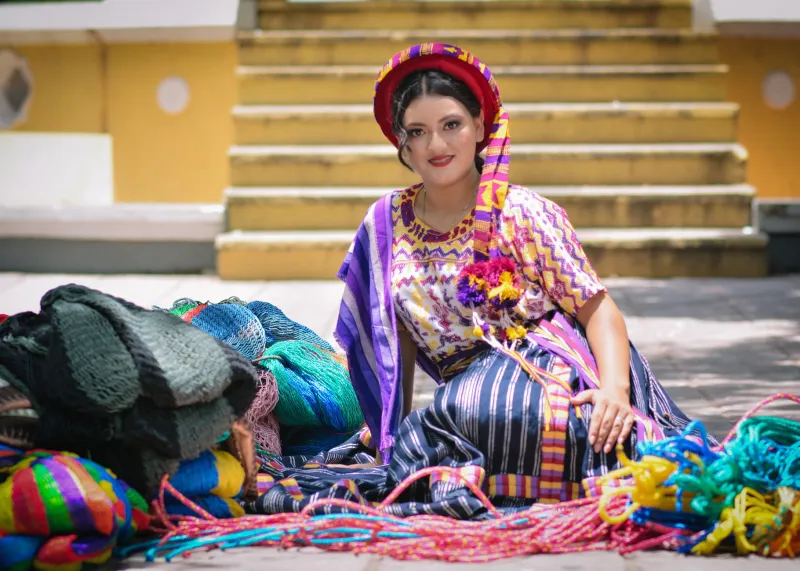
Photo: diverse artisan women embroidery traditional textile cultural craft market, via kraji.eu
American fashion has always been a conversation between cultures. From the Southwestern turquoise jewelry trend to the global obsession with Japanese streetwear, we've never been shy about drawing inspiration from traditions beyond our own borders. And honestly? That cross-cultural exchange, when done right, is one of the most beautiful things fashion can do.
The problem is that "done right" is doing a lot of heavy lifting in that sentence.
The line between respectful homage and flat-out appropriation isn't always obvious — especially when you're shopping online at midnight, three clicks away from a checkout button. So let's slow that process down and give you a real framework for navigating it.
Why This Conversation Matters More Than Ever
The rise of global e-commerce has made it easier than ever to buy fashion from — or inspired by — cultures around the world. That's genuinely exciting. But it's also created a marketplace where fast fashion brands can slap a vaguely "tribal" print on a $15 dress, profit enormously, and leave the actual communities whose traditions inspired that design with nothing.
Meanwhile, the artisans and designers from those communities — people who have spent lifetimes mastering these craft traditions — struggle to compete on price with brands that have no authentic connection to the work they're imitating.
"It's exhausting," says Nadia Khalil, a Palestinian-American textile designer whose embroidery-forward clothing line draws from tatreez, a centuries-old Palestinian needlework tradition. "I put real cultural knowledge, real skill, and real time into every piece. Then a big brand releases something vaguely similar for a fraction of the price and calls it 'boho.' It erases where this actually comes from."
The Core Distinction: Homage vs. Exploitation
Before we get into the practical checklist, it helps to understand what actually separates respectful cultural engagement from appropriation. It comes down to a few core questions:
Who benefits? When a brand uses cultural aesthetics, does money flow back to the community those aesthetics come from — or does it flow exclusively to outside parties?
Who has a voice? Are designers, artisans, or community members from the source culture involved in the creative process? Or are outsiders making decisions about how a culture gets represented?
Is context being honored? Some patterns, garments, and symbols carry deep spiritual or ceremonial significance. Are they being treated with appropriate respect, or flattened into decoration?
Is credit being given? Does the brand name the tradition it's drawing from, or does it use vague, exoticizing language like "ethnic," "tribal," or "boho"?
Red Flags to Watch For While Shopping
These aren't definitive rules — context always matters — but they're reliable warning signals worth pausing on:
- Vague "inspired by" language with no specifics. If a brand describes a print as "globally inspired" or "exotic" without naming the actual tradition or region, that's a deflection, not a description.
- Sacred or ceremonial elements used decoratively. Headdresses, certain geometric patterns, and specific garment styles carry cultural weight that transcends aesthetics. When these show up as costume or trend pieces, that's a problem.
- No makers, no faces, no stories. Ethical brands that work with cultural traditions are usually proud to introduce you to the people behind the work. Silence about sourcing is a red flag.
- Pricing that couldn't support fair wages. A $25 "hand-embroidered" blouse almost certainly wasn't hand-embroidered by someone earning a living wage. Real craft costs real money.
- The brand is entirely disconnected from the culture. A brand with no designers, advisors, or community connections to a cultural tradition they're heavily drawing from is a brand operating without accountability.
Green Lights: What Ethical Cultural Fashion Actually Looks Like
On the flip side, here's what to look for when a brand is getting it right:
- Named collaborations with artisans or communities. The brand tells you exactly who made the piece and where, often with photos and bios.
- Revenue sharing or fair trade certification. Look for brands that explicitly state how makers are compensated and whether they're certified by organizations like Fair Trade USA or the World Fair Trade Organization.
- Cultural specificity in storytelling. Not just "African print" but "Ankara wax-print fabric sourced from a family-owned mill in Lagos." Specificity signals genuine engagement.
- Designers from within the tradition. Brands led by or in deep partnership with designers who belong to the culture being represented carry a built-in accountability that outside brands don't.
- Transparent design process. Brands that explain how a design was developed — including community consultation or collaboration — are brands that understand the responsibility they're carrying.
Questions Worth Asking Before You Buy
You don't need to write a dissertation before every purchase. But a few quick questions can tell you a lot:
- Who designed this, and what's their connection to this tradition?
- Where and by whom was it made?
- How are the makers compensated?
- Does the brand name and credit the cultural tradition it draws from?
- Is this a style element that carries specific cultural or ceremonial meaning I should understand before wearing it?
Most ethical brands will answer these questions readily — on their website, in their product descriptions, or directly if you reach out. Brands that can't or won't answer them are telling you something important.
A Note on Your Own Positionality
This is where it gets personal. Whether a piece of culturally-inspired fashion is appropriate for you to wear also depends on your own background and context.
Rohan Mehta, a Mumbai-born menswear designer now based in Brooklyn, offers a useful way to think about it: "There's a difference between appreciation and adoption. You can deeply appreciate a tradition, wear pieces made by artisans from that culture, and support that work financially — without claiming the identity or flattening the meaning. That's the sweet spot."
Wearing a beautifully crafted piece from a Oaxacan textile cooperative, knowing the maker's name, understanding the weaving tradition it represents, and paying a fair price for it? That's appreciation. Wearing a mass-produced knockoff of the same pattern as a costume? That's something else entirely.
Shopping With Intention at Falake Shop
At Falake Shop, cultural integrity isn't a footnote — it's foundational to how we curate. Every brand and maker we feature is vetted for transparency, fair compensation, and authentic connection to the traditions they represent. We believe that fashion can be a bridge between cultures rather than a one-way extraction.
When you shop with that lens — asking questions, reading the stories, following the money — you don't just build a more ethical wardrobe. You build one that actually means something. And in a world full of disposable trend pieces, clothing with real cultural roots and genuine human stories behind it is about as rare and valuable as it gets.