No Fitting Room, No Problem: Buying Handmade Clothes Online Without Guessing
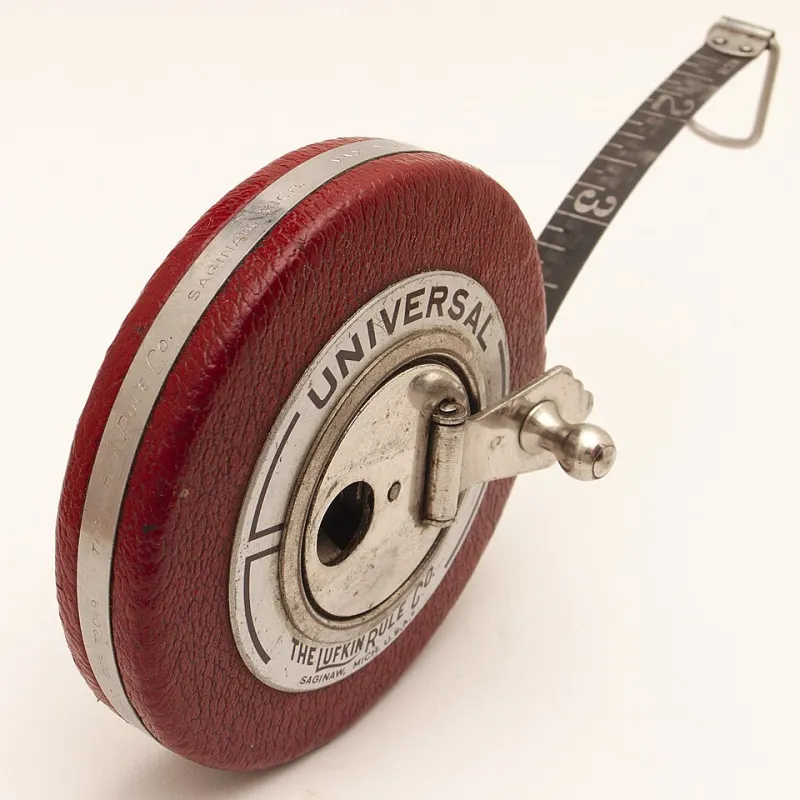
Photo: Junkyardsparkle, CC0, via Wikimedia Commons
There is a particular kind of optimism involved in buying a garment you've never touched, from a person you've never met, in a size that was defined by a pattern cutter you'll never speak to. Most of us do it anyway, because the alternative is never owning the thing.
The good news: fit is mostly knowable in advance. Not perfectly — nothing is perfect — but enough that you stop gambling and start deciding. Here's the process, in the order that actually helps.
Start with a garment, not a body
Most online size charts give you body measurements. What you actually need are garment measurements — the physical dimensions of the finished piece, laid flat. The difference between those two numbers is called ease, and it's the reason two shirts marked medium can feel like they came from different planets.
So pull out the piece in your closet that fits you the way you want this new thing to fit. Lay it flat on the floor. Measure it. That garment is your reference, and it's more useful than any chart.
- Pit to pit: armpit seam to armpit seam, flat. Double it for chest circumference.
- Waist: across the narrowest point, flat, doubled.
- Hip: across the widest point, usually 7 to 8 inches below the waist seam, doubled.
- Body length: from the highest point of the shoulder seam straight down to the hem.
- Shoulder width: seam to seam across the back, from one shoulder point to the other.
- Sleeve length: from the shoulder seam to the cuff, or from center back to cuff if the piece is raglan or kimono-sleeved.
- Inseam and rise for pants, measured from crotch seam down and from crotch seam up to the top of the waistband.
Write those numbers down. Keep them in your phone. They'll outlive the garment you took them from.
Ease is the whole ballgame
A structured jacket needs room to sit over a shirt, so you want three to four inches of ease at the chest. A crisp poplin shirt wants four to six. A knit that stretches wants almost none. A bias-cut silk dress can look right with three inches and look wrong with five, because the fabric behaves differently over the body.
Handwoven fabrics complicate this in a good way. Cloth made on a small loom often has more give and more drape than a mill-produced equivalent — it moves rather than holds. That's part of what you're paying for. It also means a handwoven shirt cut exactly to your chest measurement will feel tighter than you expect, because there's no stretch to bail you out.
One more variable: shrinkage. Ask whether the fabric is pre-washed. Handloom cotton can lose three to five percent in the first wash. If the maker hasn't pre-shrunk and you have, you're already ahead.
Sizing is a local dialect
A European 38 is not a US 8 in practice, an Italian 44 is not a US 8 either, and a Japanese pattern graded in centimeters will often have a narrower shoulder than the equivalent American size. Indian ready-to-wear frequently runs smaller and is drafted for a different shoulder-to-bust relationship. Plenty of West African tailoring skips sizes entirely and works from measurements, because that's how it's done.
None of this is a flaw. It's a reminder that 'medium' is a local convention wearing a global costume. If a product page lists only a letter size, treat that letter as a starting point and email for the actual numbers. A good maker will send them without attitude — often within a day.
Five questions before you check out
- Can you send garment measurements for the size I'm considering? Flat, in inches. This is the single highest-value email you will send all year.
- How much seam allowance is built in? An inch at the side seams means a tailor can let it out later. A quarter inch means the fit is final.
- Is this made to order or in stock? Made-to-order pieces are usually non-returnable, which changes how careful you should be.
- Has the fabric been washed or pre-shrunk? And how should I wash it once it's mine?
- Would you tell me if this is the wrong piece for me? Some makers will. Those are the ones to keep.
When it arrives and it's wrong
First, stop. Don't cut tags, don't wash it, don't convince yourself it'll work once you lose five pounds. Try it on over the clothes you'd wear with it and look in a mirror from six feet back, which is how the rest of the world will see you.
Then think in terms of what's adjustable. Side seams, hems, waist darts, and sleeve length are friendly to a tailor: cheap to fix, hard to ruin. Shoulders, necklines, and armholes are not. Taking in is easier than letting out. If the piece is lined, expect to pay more for everything.
And if the problem is the shoulder seam sitting an inch off your natural shoulder, no alteration will save it. That piece was drafted for a different body, and the honest move is a return or a resale, not a heroic trip to the tailor.
The pre-checkout checklist
- Reference garment measured, numbers in hand
- Garment measurements requested and compared, not guessed
- Fabric content and stretch noted
- Shrinkage and care instructions confirmed
- Return window and made-to-order policy read, not skimmed
- Seam allowance known
- One question asked, and answered
Do that and the odds swing hard in your favor. Not to certainty — to something better. You'll be buying like someone who's been in the room with the maker, even when the maker is three time zones away.