The Real Price Tag: What You're Actually Paying For When You Buy Handmade Fashion
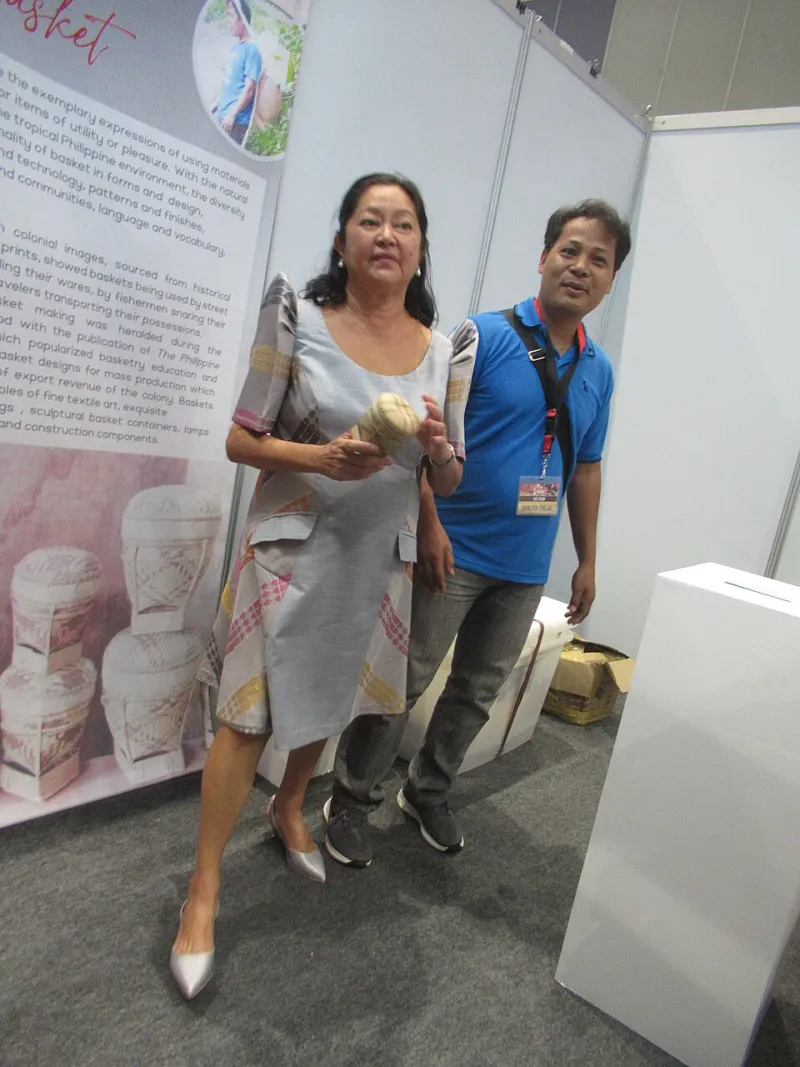
Photo: SJasminum, CC BY-SA 4.0, via Wikimedia Commons
Let's be honest. The moment most of us see a three-digit price tag on a handmade garment, something in our brain does a quick comparison: I could get something that looks similar at [insert fast fashion giant] for $35. And just like that, the independent maker loses the sale.
But that mental math is broken. And once you understand what's actually baked into the price of artisanal fashion, you'll never look at a clothing tag the same way again.
Fast Fashion's Price Is a Lie You've Been Told Your Whole Life
Fast fashion has spent decades training American consumers to expect rock-bottom prices. The result? We've collectively lost our sense of what clothing should cost when it's made ethically, sustainably, and with real skill.
A $22 dress from a mega-retailer didn't get cheap through magic. It got cheap through a very specific formula: overseas manufacturing at poverty wages, synthetic materials derived from fossil fuels, near-zero quality control, and a business model that counts on you replacing it within a season. You're not getting a deal. You're paying for someone else's exploitation — and you'll pay again when the seams split in three months.
Handmade fashion operates on a completely different logic. And when you break down the numbers, the premium starts making a whole lot of sense.
Breaking Down the Artisan Price Tag
Labor: The Biggest Line Item — and the Most Important One
When a maker hand-stitches a garment, cuts fabric with precision, or applies embroidery that takes hours to complete, that time costs money. Real money. A living wage in the US currently hovers around $17–$25 per hour depending on the state, and skilled craftspeople — people who've spent years honing techniques — earn more than that.
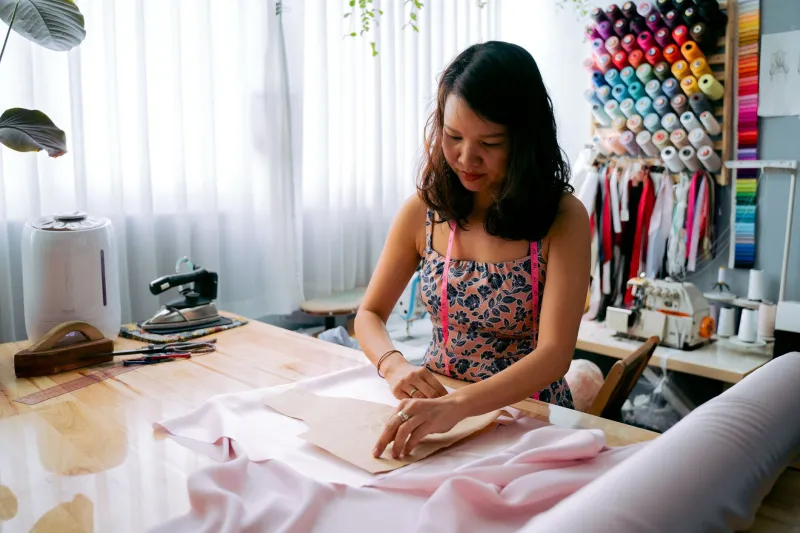
Consider a hand-block-printed linen shirt. The fabric printing alone can take two to three hours. Cutting, sewing, finishing? Add another three to four hours minimum. That's six to seven hours of skilled labor before a single overhead cost enters the picture. At a fair wage, you're already looking at $100–$175 in labor alone.
Jordan Telles, a textile artist and small-batch clothing maker based in Santa Fe, puts it plainly: "When someone questions my pricing, I ask them to sit down and hand-stitch for an hour. Then tell me what that hour is worth to you."
Materials: You Can Feel the Difference
Artisanal makers aren't buying fabric from the same suppliers as fast fashion brands. They're sourcing organic cotton, naturally dyed silk, hand-loomed wool, or heritage textiles that cost significantly more per yard — because they're better in every measurable way.
Natural fibers breathe. They age beautifully. They don't shed microplastics into your washing machine and ultimately into the ocean. And they last. A linen garment made from quality fabric can look better at year five than a synthetic fast-fashion piece looks at month two.
Small-batch orders also mean makers rarely get bulk pricing breaks. They're often paying 30–50% more per yard than large manufacturers simply because they're not ordering 10,000 units at a time.
Overhead: The Invisible Costs That Add Up Fast
Running an independent fashion business in America isn't cheap. Studio or workspace rental, equipment maintenance, business insurance, website and e-commerce platform fees, photography, packaging, and shipping supplies — none of it is free. For a solo maker or tiny team, these costs get distributed across far fewer units than a big brand, meaning each piece carries a larger share of the overhead burden.
Add in the cost of unsold inventory (a very real risk for small makers), returns, and the unpaid hours spent on marketing, customer service, and bookkeeping, and you start to see why the math demands higher prices.
The Long Game: Why Spending More Saves You Money
Here's where the narrative flips from defense to offense.
A 2023 survey by the sustainable fashion research group Remake found that Americans buy an average of 68 garments per year — and discard nearly the same number. At an average cost of around $25 per item, that's roughly $1,700 a year spent on clothing that largely ends up in landfills.
Now consider the alternative: spending that same $1,700 on eight to ten well-made artisanal pieces that you wear consistently for five or more years. The cost-per-wear plummets. The emotional satisfaction of owning things you genuinely love? Priceless, but real.
Makers like Amara Osei-Bonsu, who designs hand-woven Kente-inspired accessories from her studio in Atlanta, hear this feedback constantly from her customers. "People come back to me and say, 'I've worn this bag every week for three years and it still looks incredible.' That's not something you get from a $30 bag. That's an investment that paid off."
How to Read a Price Tag Like an Informed Buyer
Next time you're weighing whether an artisanal piece is "worth it," try running through this quick mental checklist:
- Cost per wear: Divide the price by how many times you realistically expect to wear it over five years. A $250 jacket worn 100 times costs $2.50 per wear. A $60 jacket worn 10 times costs $6 per wear.
- Material quality: Is it natural fiber? Locally sourced? Naturally dyed? These aren't luxury add-ons — they're indicators of longevity.
- Transparency: Does the brand tell you where and how it's made? Makers who share their process are makers who have nothing to hide.
- Replaceability: Can you find this exact thing somewhere else? Artisanal pieces often carry a design uniqueness that mass production simply can't replicate.
The Bigger Picture: Every Purchase Is a Vote
Buying handmade isn't just a personal finance decision — it's a values decision. When you pay a fair price for an artisanal garment, you're directly funding a maker's livelihood, supporting traditional craft techniques that might otherwise disappear, and voting with your wallet for a fashion industry that looks a whole lot more humane than the current one.
At Falake Shop, we've built our entire curation philosophy around this idea. Every piece we feature comes from makers who price honestly — not to gouge customers, but because fair pricing is what makes fair fashion possible.
So the next time a handmade price tag makes you hesitate, don't ask why is this so expensive? Ask instead: why did I ever think clothing should cost so little?
That's the question that changes everything.