Meet the Maker Behind the Seam: Why Every Artisan Piece Deserves Its Own Story
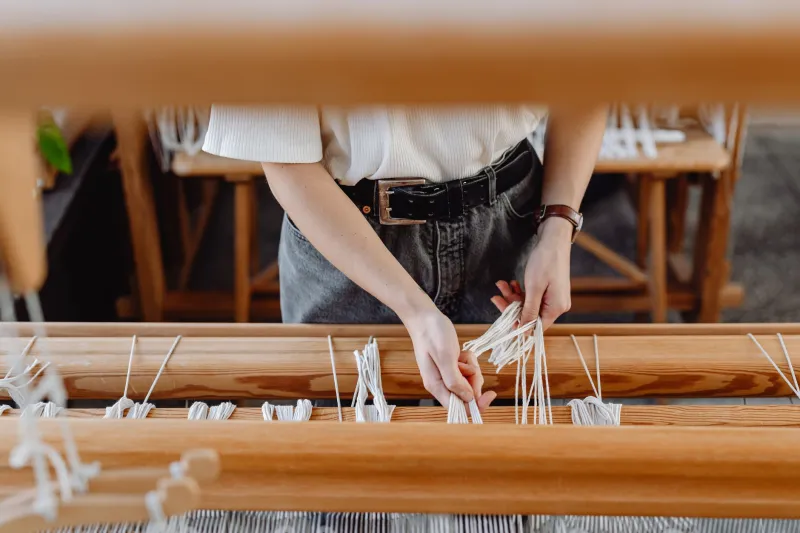
There's a linen blouse sitting in Maya Chen's closet in Portland, Oregon that she can tell you everything about. The weaver's name is Amara. She works out of a small studio in Oaxaca, Mexico. She learned the backstrap loom technique from her aunt, who learned it from her mother. The indigo dye came from plants grown two kilometers from the studio. Maya bought the blouse fourteen months ago, and she still talks about it like she just got home from the trip.
Maya isn't unusual anymore. Across the US, a growing wave of artisan fashion buyers is doing something that would have seemed excessive — even a little odd — just a decade ago. They're collecting origin stories the same way they collect the pieces themselves.
A Purchase That Becomes a Relationship
There's a psychological shift that happens when you know where something came from. Researchers who study the "IKEA effect" — the phenomenon where people value things more when they've put effort into them — have found that emotional investment transforms how we perceive objects. Knowing a maker's name and methods creates a similar bond, even secondhand.
When you can picture the hands that cut the fabric, the tools that shaped the clasp, or the village where the wool was spun, the garment stops being a product. It becomes a point of connection between two people who may never meet in person but are linked through craft and intention.
Artisan buyers describe this shift in strikingly similar terms: the piece feels heavier somehow, more real. They're less likely to impulse-sell it, less likely to relegate it to the back of the closet, and far more likely to repair it when it needs attention rather than replace it.
How Buyers Are Actually Doing It
So what does "collecting the story" actually look like in practice? It varies a lot depending on how hands-on someone wants to get, but a few approaches have become surprisingly common.
Direct outreach to makers. Many small-batch and artisan brands actively encourage buyers to reach out — through Instagram DMs, email, or even WhatsApp in some cases. Buyers who take that step often describe receiving photos of the studio, voice notes explaining techniques, or even short video clips of the creation process. Some makers are so enthusiastic about the connection that a single question turns into an ongoing conversation.
Documenting the purchase itself. A growing number of buyers are creating what some call a "garment journal" — a simple note (physical or digital) attached to each artisan piece that records where it came from, who made it, and any details about the process. Some people photograph the care instructions, any handwritten tags, or the original packaging. Others screenshot the maker's bio from their website. It sounds fussy until you realize these notes become genuinely meaningful over time.
Sharing stories in communities. Reddit threads, TikTok hauls with a twist, and Instagram carousels that lead with the maker's face rather than the product itself — artisan buyers have found creative ways to bring their communities along for the story. The response, they consistently report, is warmer and more engaged than anything a standard outfit post generates.
Why the Name Matters More Than You Think
There's something specific about knowing a maker's name that elevates the connection beyond general appreciation for craft. A name makes the maker a person rather than a process. It's the difference between knowing your food came from "a small farm in Vermont" and knowing it came from David and Kira's farm in Woodstock, where they've been raising heritage-breed chickens since 2009.
Names create accountability — on both sides. The maker is accountable for their craft and their story. And the buyer, in a quiet way, feels accountable to honor that. Buyers who know their maker's name report feeling genuinely reluctant to treat the piece carelessly, to let it pile up unworn, or to sell it without passing along the story.
It's a small act that creates a surprisingly durable sense of mutual respect across distance.
The Community Effect
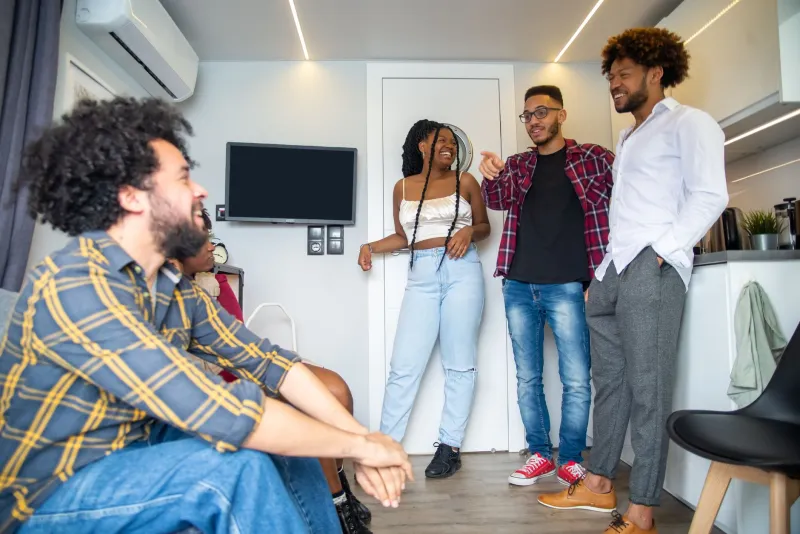
One of the more unexpected developments in this space is how origin stories are becoming social currency — not in a shallow, clout-chasing way, but in the sense that sharing a garment's backstory has become a genuine way to connect with other people.
At dinner parties, at work, at family gatherings — buyers who can say "this was made by a third-generation weaver in Gujarat, and the pattern is specific to her region" find that the conversation goes somewhere real. People ask follow-up questions. They want to know how to find similar pieces. They start thinking differently about their own wardrobes.
Online, the effect is amplified. Content that leads with a maker's story — their face, their hands, their process — consistently outperforms standard product content in terms of saves and shares. People aren't just buying the piece vicariously; they're buying into the idea that fashion can mean something beyond aesthetics.
What This Means for How You Shop
If you've never thought to ask a brand or maker about the story behind a piece, start small. The next time you're considering an artisan purchase, look for one specific detail: a name, a place, a technique. Most small brands are eager to share — they're just not always sure buyers want to hear it.
When you find a piece you love, reach out. Ask one question. You might get a paragraph back, or you might get a photo album. Either way, what you bring home will feel different — more considered, more connected, more yours in a way that has nothing to do with ownership.
At Falake Shop, we've always believed that fashion is most powerful when it carries a story worth telling. The pieces we curate come from makers with names, methods, and histories — and we think you deserve to know all of it. Because the best thing hanging in your closet isn't just something beautiful. It's something that knows where it's been.
And now, so do you.