Story First, Product Second: How Small Fashion Brands Are Winning Fierce Loyalty Through Human Connection
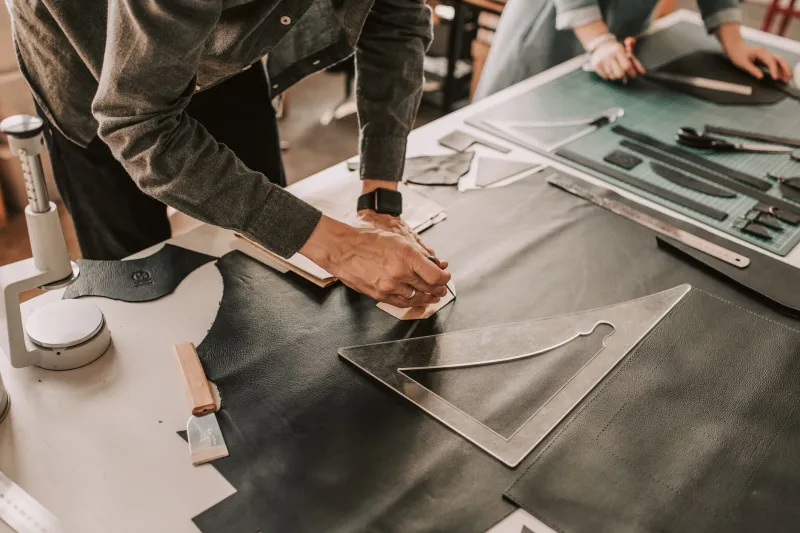
There's a jacket hanging in Mara's closet in Portland, Oregon, that she's worn maybe forty times. She bought it three years ago from a tiny leather goods studio run out of a garage in New Mexico. She knows the maker's name. She's watched videos of the leather being sourced. She even exchanged a few emails with the designer after a buckle needed adjusting. That jacket, she'll tell you, isn't just a jacket. It's a relationship.
This is the new reality of independent fashion — and it's rewriting what it means to build a brand.
Why 'Who Made This?' Is Now Part of the Purchase
For decades, fashion marketing was mostly about aspiration. You didn't need to know who sewed the seams; you needed to feel something when you saw the ad. But American consumers, particularly those in their 20s through 40s, have started asking harder questions. Supply chain scandals, fast fashion's environmental toll, and a general cultural exhaustion with corporate polish have created an opening — a genuine hunger — for something more real.
That's where independent makers are stepping in, and stepping up.
The most successful small artisanal brands today aren't just selling products. They're sharing origin stories, family histories, creative failures, and the slow, painstaking process of making something well. And rather than feeling like content strategy (even when it is), the best of it lands as something closer to friendship.
The Workshop as Stage: Behind-the-Scenes Content That Actually Connects
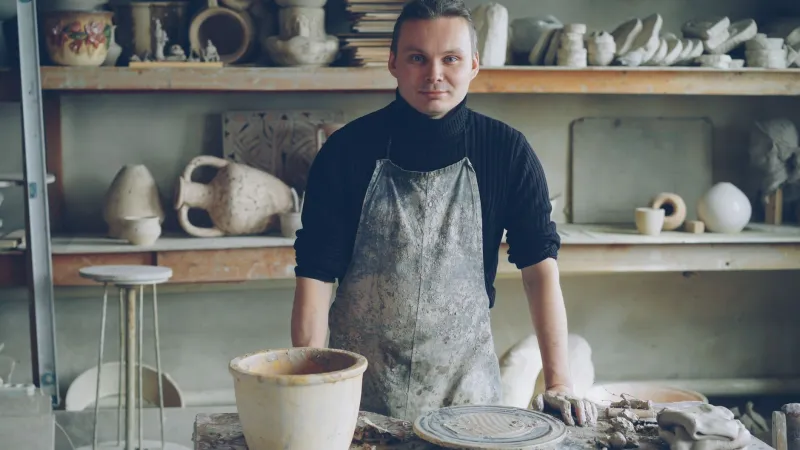
Take the way a growing number of small textile and jewelry studios use Instagram and TikTok not as a showroom, but as a window into daily creative life. A ceramicist in Asheville, NC, posts videos of cracked glazes and failed firings alongside the pieces that turned out beautifully. A Brooklyn-based bag maker narrates the entire construction of a single tote over a week of short clips — from cutting the canvas to hand-stitching the handles.
This kind of transparency does something clever: it reframes imperfection as proof of authenticity. When customers see the labor, the missteps, and the care that goes into a piece, they're not just watching a process. They're building trust. And trust, in today's market, is a premium currency.
Some brands have taken this even further by inviting their communities directly into the creative process. Early design polls, "name this colorway" contests, limited pre-orders where buyers are updated at each stage of production — these aren't just engagement tactics. They make the customer feel like a collaborator rather than a transaction.
Heritage as a Hook — and a Responsibility
For brands rooted in cultural craft traditions, storytelling carries additional weight. A weaver drawing on Indigenous Southwestern patterns, a leatherworker trained in a technique passed down through generations of a Mexican family, a textile designer adapting West African dyeing traditions — these makers have stories that are rich, layered, and genuinely compelling.
But heritage-driven storytelling only builds real loyalty when it's handled with integrity. Consumers are increasingly savvy about the difference between a brand that comes from a tradition and one that's simply borrowing aesthetics for commercial appeal. The former invites you into something real. The latter, once exposed, tends to collapse trust spectacularly.
The brands getting this right are explicit about lineage and context. They name their teachers. They credit their communities. They often give back to them, too — whether through profit-sharing, apprenticeship programs, or supporting cultural preservation initiatives. That transparency doesn't just feel good; it deepens the story in ways that keep customers coming back.
What Loyal Communities Actually Look Like
Loyalty in this space looks different from traditional brand loyalty. It's less about repeat purchase cycles and more about genuine advocacy. Customers become evangelists — they share their pieces on social media with personal captions, they gift the brand to friends, they write unprompted reviews that read more like love letters than product ratings.
This happens because the emotional investment runs deeper than the product. When someone buys a handmade piece with a rich story attached, they're not just acquiring an object. They're joining something. They're expressing a value — about craft, about sustainability, about the kind of economy they want to support.
Some of the most passionate communities form around brands that also create physical or digital gathering spaces: newsletters that feel like letters from a friend, pop-up events in small cities, workshops where customers can try the craft themselves. These touchpoints reinforce the relationship long after the initial purchase.
The Business Logic Behind Emotional Branding
Here's what's worth noting from a practical standpoint: storytelling-led brands often operate with smaller marketing budgets than their corporate counterparts, yet achieve conversion rates and customer retention that legacy brands would envy. Word-of-mouth, organic social sharing, and press coverage driven by genuine novelty and substance are all more accessible when you have a real, compelling story to tell.
For the makers themselves, it's also protective. A brand built on a founder's specific vision, background, and voice is inherently harder to replicate than one built purely on product aesthetics. The story becomes a moat.
What This Means for How You Shop
If you've felt that pull toward a small brand — the one whose newsletter you actually read, whose Instagram you check even when you're not shopping — that's not an accident. That's good storytelling doing exactly what it's supposed to do: making you feel seen, connected, and part of something worth caring about.
At Falake Shop, we think that pull is worth following. The pieces that come with a human story attached tend to be the ones you hold onto longest — not just because they're well-made, but because they mean something. And meaning, it turns out, never goes out of style.