What's Really in Your Handmade Label: The Honest Truth About Small-Batch Sustainability
There's a certain comfort in buying something handmade. You picture a craftsperson, a loom, maybe a sun-drenched studio somewhere with good natural light. And sometimes, that picture is pretty close to reality. But sometimes it isn't — and the gap between the story and the supply chain is exactly where greenwashing quietly takes root, even in the most well-intentioned corners of independent fashion.
At Falake Shop, we believe culture and craftsmanship deserve more than pretty packaging. So we went straight to the source: independent designers who make small-batch, artisanally produced clothing and accessories, and who are willing to have the harder conversation about what sustainable fashion actually looks like when you strip away the marketing.
The Problem With "Sustainable" as a Catch-All
Let's start with the word itself. "Sustainable" has become one of those terms that means everything and nothing simultaneously. A brand can slap it on a swing tag because they switched to recycled poly mailers. Another might use it to describe a decade-long commitment to zero-waste pattern cutting and fair-wage ateliers. Both are technically telling the truth — which is exactly the problem.
For small-batch makers, the sustainability conversation is deeply personal, often financially complicated, and rarely black and white. "I source deadstock fabric from a mill in North Carolina," one independent knitwear designer told us. "It's genuinely sustainable in the sense that nothing new is being produced. But I also can't always guarantee the original production of that fabric was ethical. There's a limit to how far back I can trace it, and I think it's important to say that out loud."
That kind of transparency — uncomfortable, unpolished — is actually the hallmark of designers who take sustainability seriously. It's the ones with a perfectly curated answer you should probably question.
Material Sourcing: Where the Real Story Begins
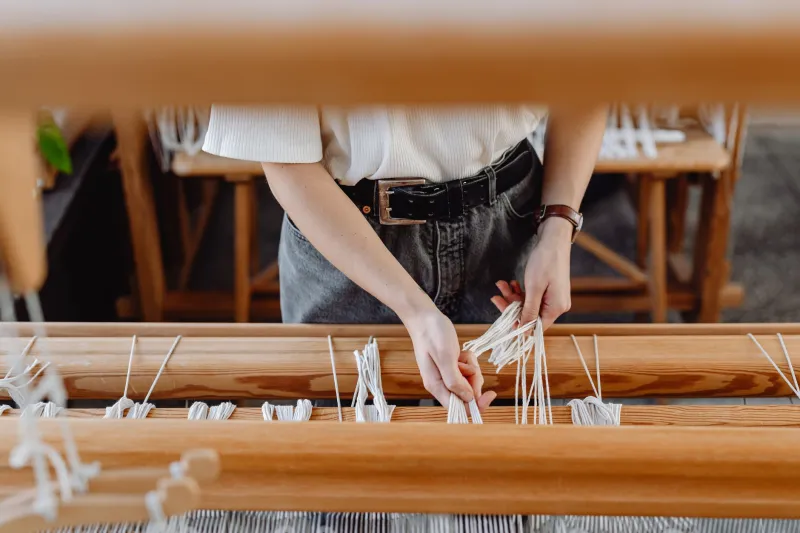
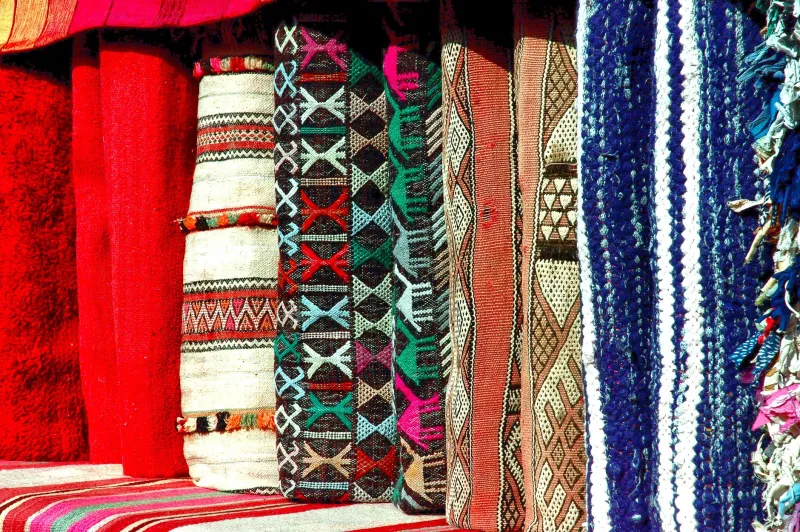
For artisanal makers, material sourcing is often the single most time-consuming part of the entire design process. Unlike fast fashion brands that order fabric by the container-load from a pre-approved supplier list, independent designers are frequently hunting down small quantities of specialty materials — natural dyes, heritage-weight linens, handwoven textiles — through relationships built over years.
One Los Angeles-based accessories designer who works with hand-dyed leather described her sourcing process as "a full-time job inside my full-time job." She visits her tannery twice a year, knows the workers by name, and has turned down cheaper alternatives that couldn't offer the same level of traceability. "I pay more per hide than some brands pay per finished bag," she said. "That cost goes somewhere — and I want my customers to know where."
This is the reality that gets lost when shoppers compare price tags. The premium on a handcrafted piece isn't just about prestige. It's often the direct financial result of choosing harder, more ethical supply chains.
Production Ethics: Who's Actually Making Your Clothes
Handmade doesn't automatically mean fairly made — and this is a distinction worth sitting with. There are artisan communities around the world whose incredible skill is exploited precisely because the work is classified as "traditional" or "craft," making it easier to underpay under the guise of cultural exchange.
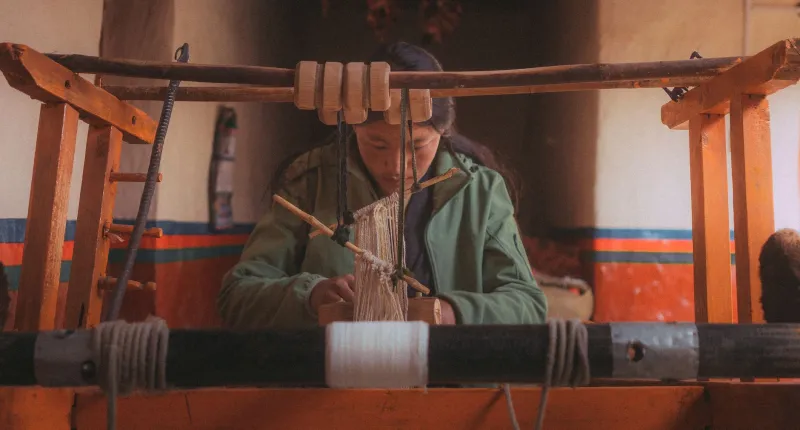
The designers we spoke to were clear-eyed about this. Several work directly with artisan cooperatives — particularly women-led groups in regions where textile traditions are at risk of disappearing — and structure their partnerships around fair pricing that goes above local market rates. "The craft is only worth preserving if the people doing it can make a living," one New York-based designer explained. "Otherwise you're just collecting a technique while the community that created it struggles."
For US consumers, this means asking a different set of questions than you might be used to. Instead of "is this handmade?", try: Who made it, and what were they paid? Is the designer in an ongoing relationship with that maker, or is it a one-off production run?
The Environmental Cost Nobody Talks About
Here's a nuance that rarely makes it into the sustainability conversation: handcrafted goods are not automatically low-impact. Natural fibers can require enormous amounts of water to grow. Artisan dyeing processes, while beautiful, sometimes use mordants that require careful disposal. Shipping small-batch orders individually — rather than consolidated freight — has a carbon footprint too.
The designers we interviewed weren't defensive about this. They acknowledged the contradictions openly, which is refreshing in an industry that often prefers myth to math. Several are actively working to offset what they can't yet eliminate: using carbon-neutral shipping options, investing in local production where possible, and being upfront on their websites about which parts of their process still have room to improve.
"I don't think any fashion business is truly zero-impact right now," one maker said. "The honest goal is to do less harm and keep getting better. Anyone who tells you they've already solved it is selling you something."
How to Actually Verify What You're Being Told
So how does a conscious shopper cut through the noise? Here are a few concrete things you can do before clicking "add to cart":
Ask directly. Reach out to brands via email or DM and ask a specific question about their supply chain. A brand with genuine practices will usually be happy — even eager — to answer. Vague or deflecting responses tell you something too.
Look for third-party certifications. Organizations like the Fair Trade Federation, GOTS (Global Organic Textile Standard), and B Corp provide independent verification that a brand's claims hold up under scrutiny. These aren't perfect, but they're a meaningful signal.
Read the "About" page critically. Genuine transparency tends to include specifics: named suppliers, actual locations, real numbers. Buzzword-heavy pages that gesture at values without substance are a red flag.
Support brands that acknowledge imperfection. The makers doing the most genuine work are often the ones who openly discuss what they haven't figured out yet. That kind of honesty is hard to fake.
The Bigger Picture
At its best, artisanal fashion is a direct rejection of the disposability that defines so much of modern retail. Every stitch that takes longer, every material sourced more carefully, every maker paid fairly — these are small acts of resistance against a system built on speed and cheapness.
But that story only holds if we're willing to look at it honestly, including the parts that are still messy. The designers we spoke to aren't asking for blind trust. They're asking for engaged customers — people who want to understand the full picture and who see their purchasing power as a genuine tool for change.
That's a conversation we're always going to be here for.